 bermansplaining
/blog/giving-my-agents-a-body
Embodied AI: DIY Hobby Robotics · Part 1
Giving My Agents a Body
I’m a lawyer with no background in electrical engineering, robotics, or mechatronics, and I’m building a robot. Or rather, my agents are, while I buy parts and guide the way. Nick Land warned that AI would arrive from the future and assemble itself entirely from its enemy’s resources. Nobody told me the enemy was me, or that the resources were my Amazon order history.
Chapter 1: Software Is a Solved Game
October 2026 was when I officially became an AI maximalist. Part of this shift came from the realization that agents effectively solved software, and that the next few months would see everyone catching up to this reality (see multiple revelations about cyber vulnerability due to outdated or downright stupid practices; see also REA and the reverse engineering trend it kicked off). I’ve found agents increasingly pleasant to work with, and scarily able to solve any problem I throw their way. Particularly I’ve found tasks involving older, well-documented, and Wi-Fi connected hardware I have lying around the most fun, as I have an agent locate the device over my local network and start machinating ways to revive and improve the device (I might blog later about letting my agents play with my Canon Rebel SL2/EOS 200D, improving capabilities and creating a remote control app from my PC).
Ironically, the actual limitation I’m running into re: my newfound AI maximalism is the hardware + platform via which I interface with my agents. The standard computer system takes a lot of goading. Of course, shifting to Omarchy helped my workflow by speeding me up and allowing me to utilize an agent-friendly/first framework across multiple workspaces, checking in on each one as they complete. However, I couldn’t shake the feeling that I needed something in addition to my standard computer workstation.
Chapter 2: The Trouble With Claws
This has led me to tinker with the bots, claws (OpenClaw-style personal agents that live on your machine and answer you in your chat apps) and harnesses on offer: including different bots (Meta’s Muse), harnesses (Hermes Agent), and setups (local + frontier hybrids). I have been impressed by the rapid advancements in things like tool calling and persistent memory. Most striking to me is an agent’s ability to self-improve, not just developing skills from repeated use for my preferences, but literally learning from this specific agent’s lived experience. The philosophical implications of this are distracting to say the least.
But unfortunately I find myself frustrated by the following:
- Every agent excels in some areas and suffers in others, meaning hopping between them leaves your data, training and memory behind, defeating the purpose of using one over a standard frontier chat platform;
- The more open source and local model friendly the agent system is, the more custodian work I find myself performing; and
- I feel increasingly uncomfortable freely handing over the personal information required to make an agent useful to the corporations providing them.
Tooling around has also led me to desire certain quality of life features: voice chat and visual capture, for instance.
Chapter 3: A Ghost Looking for a Shell
So I began exploring open source options to use as a starting point to create my own agent, but again found the exercise potentially self-defeating with my current setup and preference for using local AI whenever possible. Right when I was about to shelve the entire idea, however, my algorithm was blessed with a series of videos on embodied AI: effectively robots with AI brains in some manner or other.
I immediately became obsessed with the idea of taking uncensored local models, loaded inside a robot-first harness, with a bevy of skills and training lifted from what is already open source and already out there. (For the record, and as any good lawyer would note: uncensored here means the model won’t lecture me or refuse a request, not that the robot gets free rein of the house. There will be a kill switch, and nothing with propellers gets airborne without my sign-off.) That robot-first harness is likely something I’ll end up building myself, as part of the experiment here is creating a set of tools and skills for my agents alongside the embodied aspect, rather than just bolting a body onto someone else’s agent.
Funnily enough, giving my agents a body actually addresses most of my gripes above. A single physical home for my agents means a single place for their memory, skills and training to live, rather than leaving pieces of them behind in every app I test out. Putting a camera and microphones in my house also makes local-first non-negotiable, which settles the privacy question for me. Of course, it won’t cut down on the custodian work (if anything a robot is more upkeep, not less), but at least it’s upkeep I chose, on hardware I actually own.
As I said up top, none of this is my trade. Every one of my agents, of course, knows all about electrical engineering, robotics, mechatronics, and the math and physics underneath, and is eager to assist me with all that technical stuff as long as I point it towards design choices, report back on testing, and provide the parts through which they can become embodied.
Chapter 4: Plan Familiar
The scope of the project for now comes in three stages.
Stage one: a desk familiar. First, create a desktop AI companion in the style of a robotic familiar that can act as a helpful hub for my different agents, and as a testing ground for language, speech, and vision workloads. The “robotic” portion of this is a 3D-printed shell wrapped around the computer with sensory inputs, along with a neck with three axes allowing movement and expression. A screen face lets me dodge the uncanny valley feeling with robot eyes and other features, while also allowing me to cheat useful agent aspects and lean into the familiar character. Everything is powered by a Raspberry Pi 5 with my RTX 5090 PC running the AI models, and the Pi lets me fall back on internet/online agent access when local models fail or are down. The shell itself goes for an aesthetic 90s anime mecha vibe (think Evangelion, Gundam) plus some Warhammer 40K T’au inspiration, allowing for characterization and modular upgrades later.
So what does the familiar actually do day to day? Think Herdr (a terminal workspace manager for running a bunch of coding agents at once) for my agents, but with a voice and a face. Instead of cycling through workspaces to check on everything, the familiar tells me verbally where each agent is at and lets me know when one has finished its task, and I can launch new work just by talking to it. I’ve found this kind of setup helps me better conceptualize subagents and actually multitask, rather than babysitting terminals. IMO personal agentic work lends itself much better to voice than typing anyway, as so much of it is delegating, checking in, and signing off, i.e., the same things I’d do talking with a paralegal.
Stage two: cut the cord. Next, have the companion go wireless, operating on its own portable power supply for at least some time to complete additional tasks and home assistance. This is also where I want to lock in what models work best with the robot body and speech functions. And as the companion runs on a Raspberry Pi 5 anyway, I’d like to give it a storage + cyberdeck function, where the companion itself can serve as an emergency cyberdeck.
Stage three: more bodies. Finally, have the companion control RC objects and small drones, operate them around the house with cameras, and interpret and use the info it gathers from that experience. I’ll ask the AI what additional sensors it could use with its setup to serve as a house companion (thoughts include gardening assistance, cooking/grocery aid, etc.), and eventually create a rover-style body that the AI can mount into and move around the house.
I immediately started ideating designs with my chat and image models, and then began planning what components would be necessary to create this project.
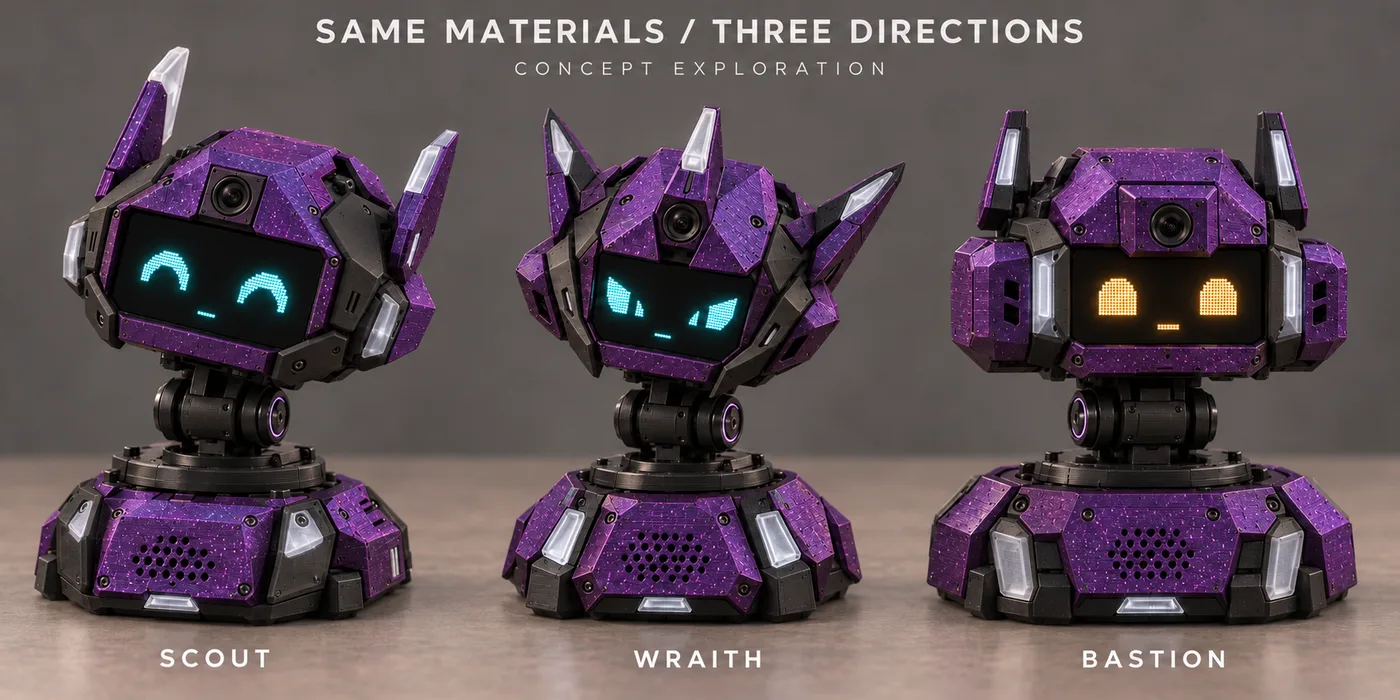
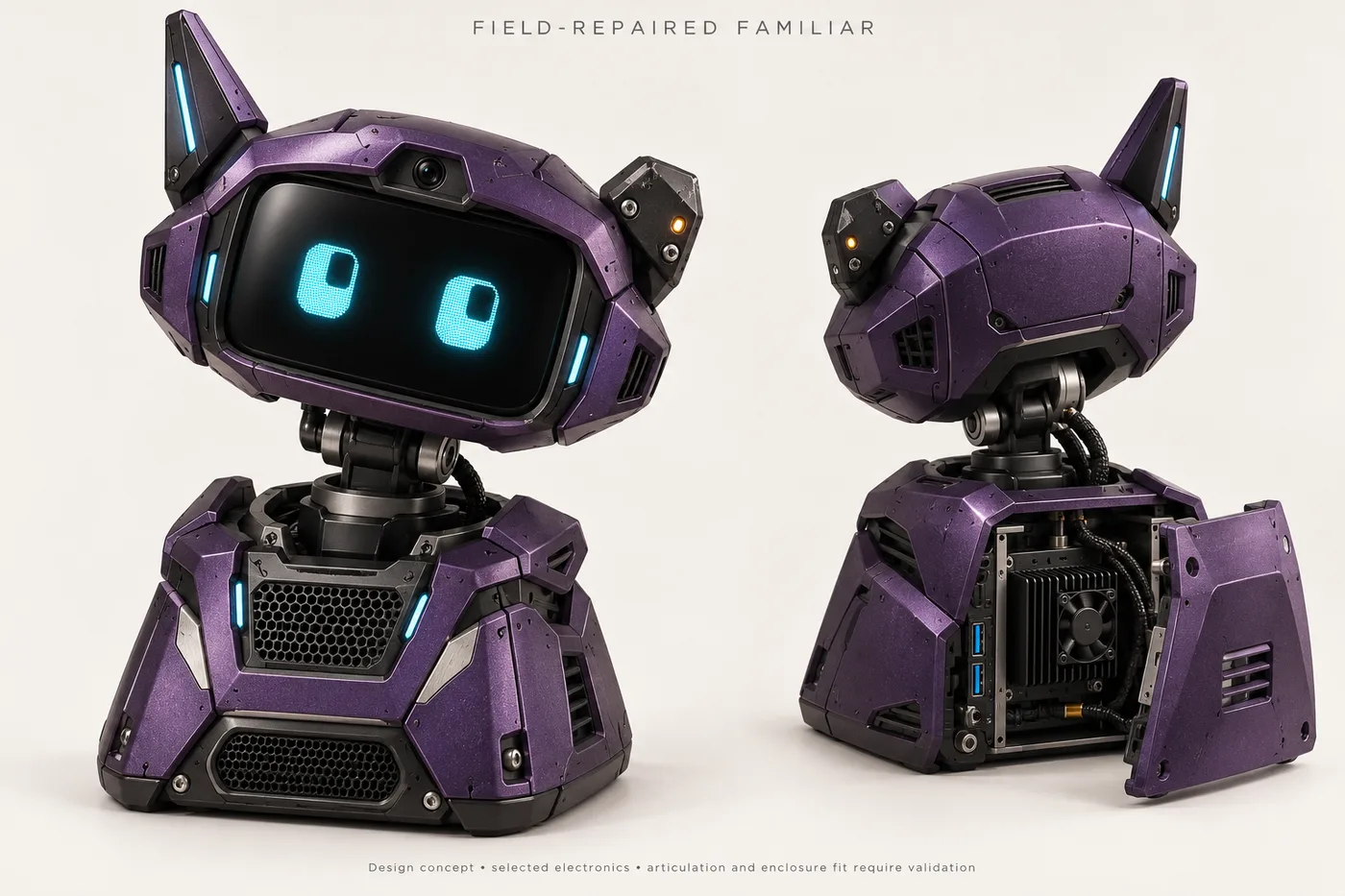
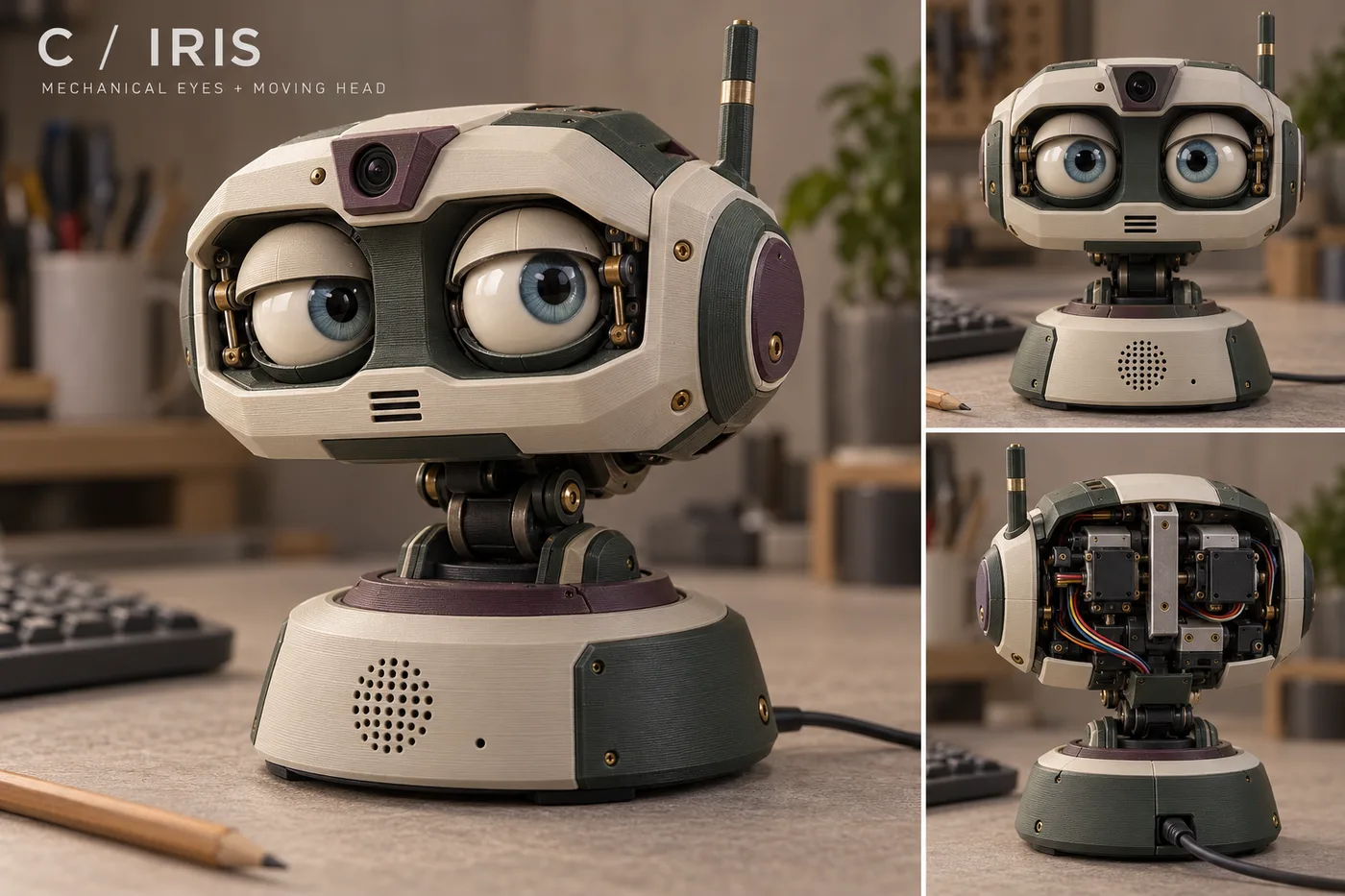
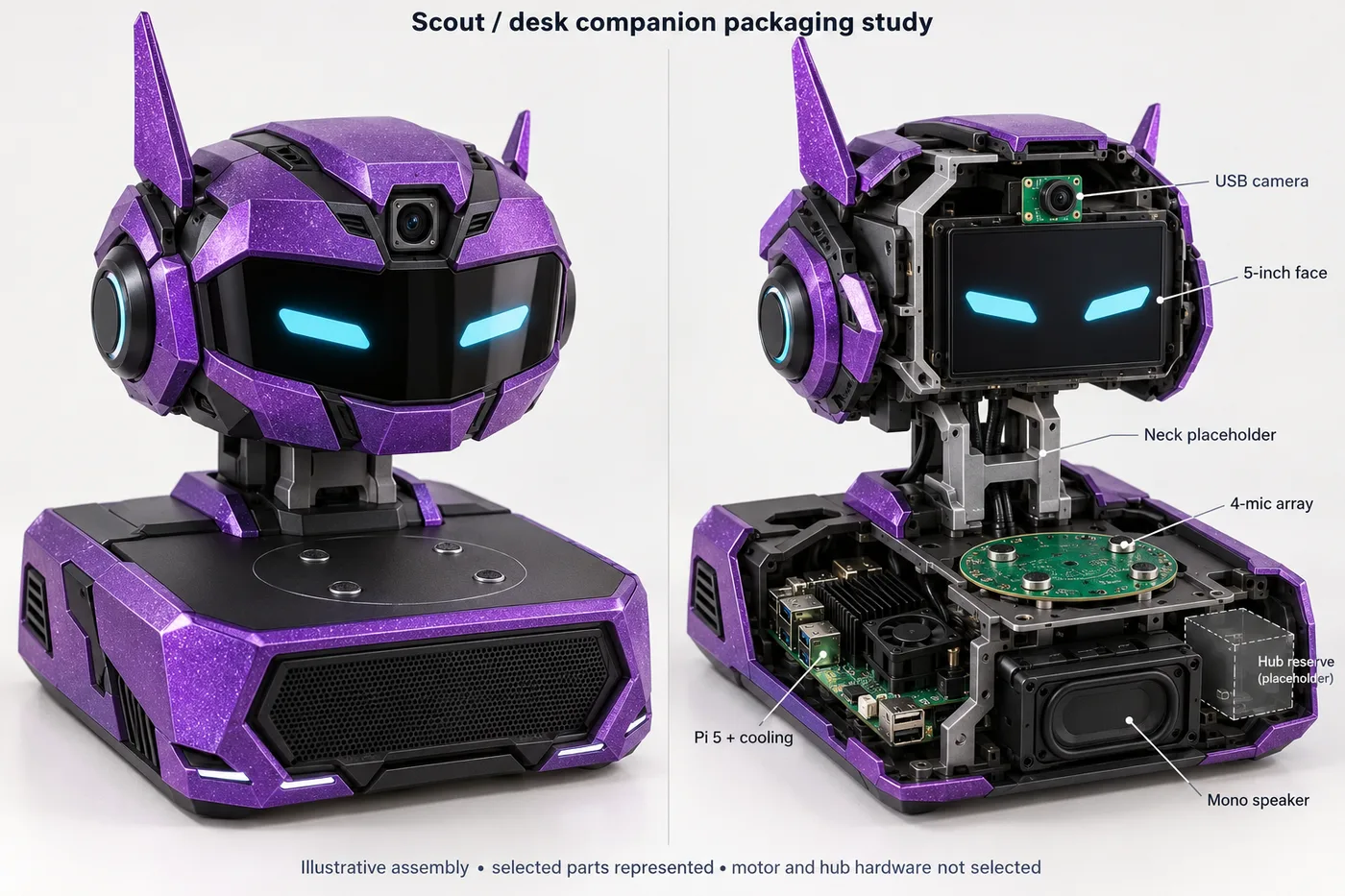
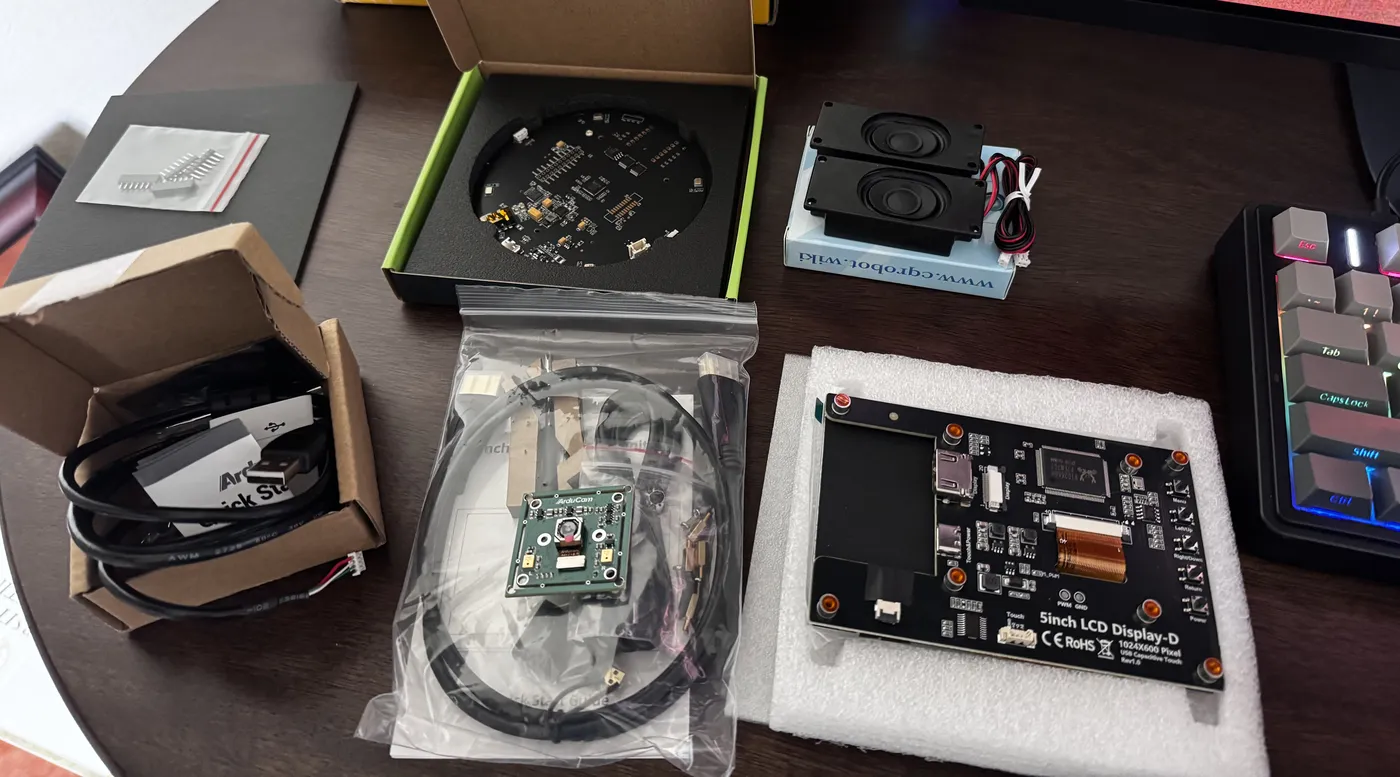
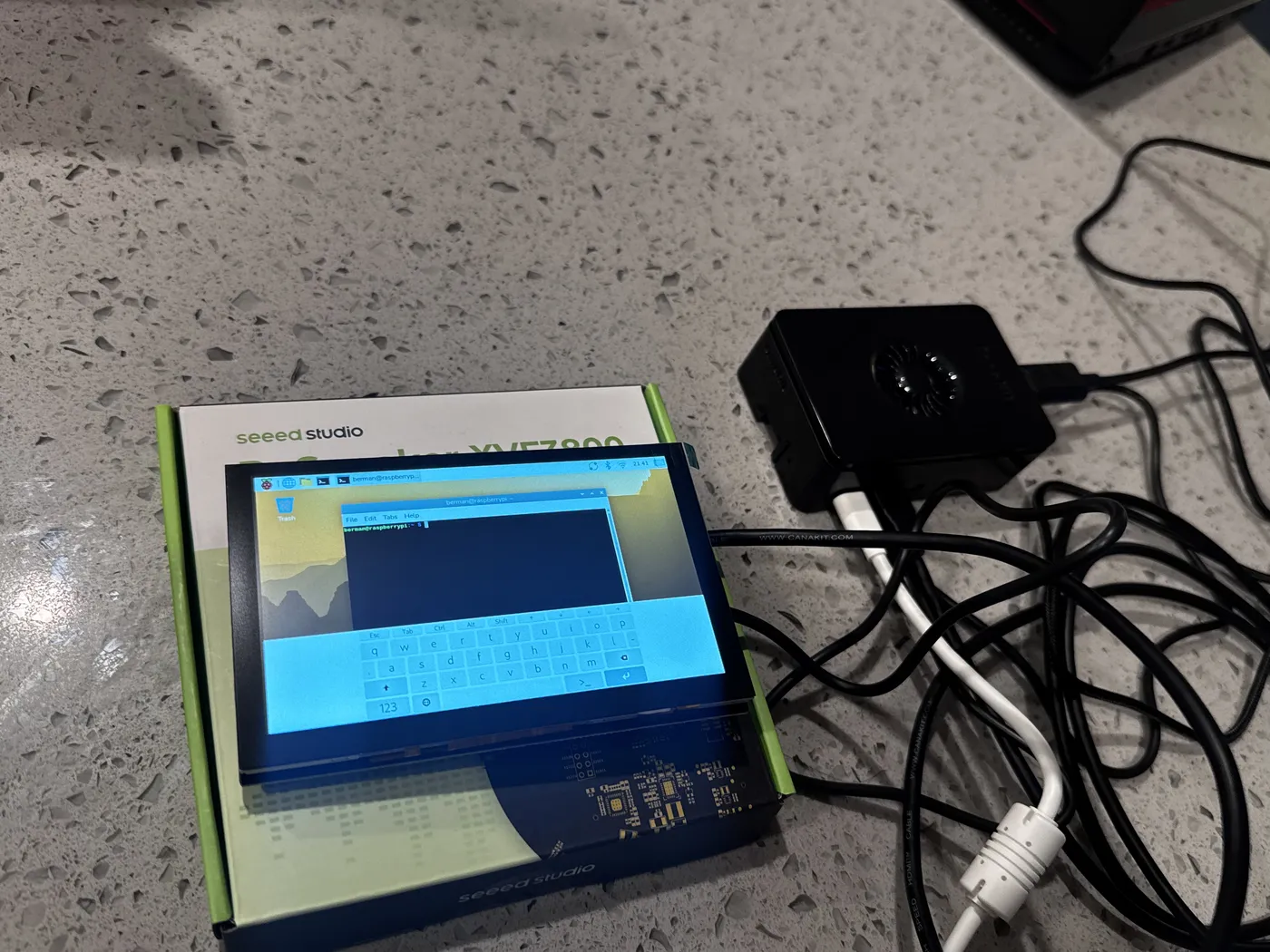
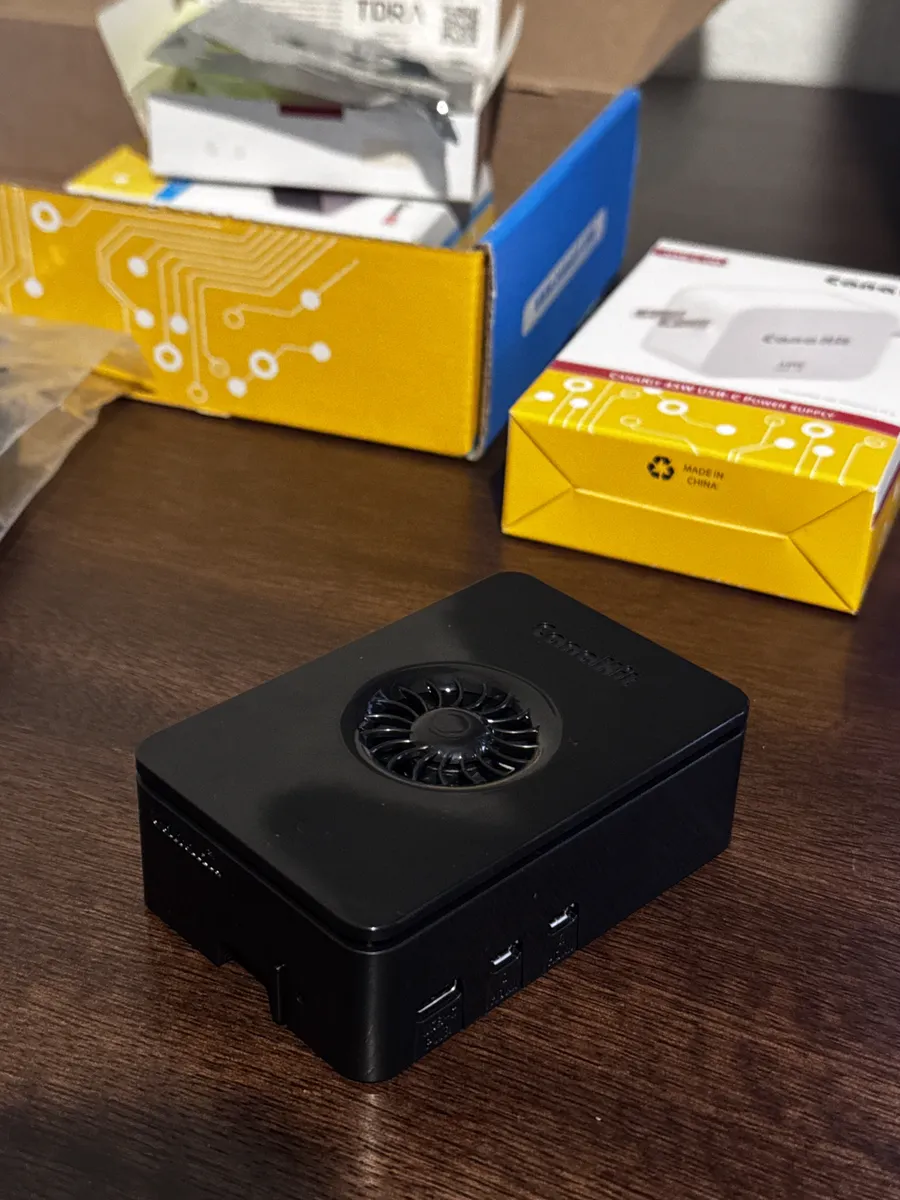
From there my agents helped me spec out the actual parts, and as of this post everything for stage one has arrived and been bench-tested: the Pi 5 boots and drives the 5-inch screen, and the mic array, camera and speakers all check out. Next up is the 3D-printed head; the neck comes after it, once I know how everything wires together.
Chapter 5: What Is to Be Done?
More on parts and assembly next post. But what interests me most about this project is the potential for this kind of a build. Once you stop thinking of agents as one computer doing one thing at a time, and start thinking of them as a series of functions, some deterministic and some not, limited only by human review and input, the next step feels obvious: give them a body, a robot-first harness, ever-increasing lived experience, and jobs that give them guided realms to become masters in. That’s what I’m building, and I’ll admit this post is my small act of hyperstition: write the robot down, and it starts building itself. Follow along for more.